
Crepey under eye skin has patients weighing RF microneedling vs Opus Plasma for smoother results. Here's how the two treatments actually differ, and which one may fit your skin texture best.
Allurant Medical Spa | San Diego
- HOME
- ABOUT
- SERVICES
- CONDITIONS
- TARGETED TREATMENTS
- BLOGS
- CONTACT
- CART
- (858) 222-1444
- REQUEST AN APPOINTMENT


Opus Plasma in San Diego
Refresh your skin with Opus Plasma, an advanced skin resurfacing treatment for smoother, firmer, more even-looking skin. Improve fine lines, acne scars, uneven texture, skin laxity, and other visible skin concerns with a treatment personalized to your goals.
Schedule Your Opus Plasma Treatment Consultation
By submitting this form you agree to be contacted via phone/text/email.*
Reply “Stop” to opt out.
Discover a Modern Approach to Skin Rejuvenation
Opus Plasma offers a modern approach to improving visible signs of aging and changes in skin quality. It combines radiofrequency energy with plasma technology to support skin resurfacing and renewal. As a result, treatment can improve several concerns while supporting smoother, firmer, more refreshed-looking skin.
Skin Resurfacing Designed Around Your Unique Concerns
No two people experience the same changes in their skin. Therefore, your Opus Plasma treatment should reflect your individual concerns, skin characteristics, and goals.
At Allurant Medical Spa, your provider customizes every Opus Plasma treatment to the areas and concerns you want to address. As a result, the depth and intensity of each session match your skin and goals. Our physician directed practice is based in Carmel Valley, San Diego. Your Opus Plasma provider will be Dr. Kat Khorrami, MD, or one of our registered nurses, Kimberly or Gabriela. In addition, our office is a short drive from Del Mar, La Jolla, Torrey Pines, and Rancho Santa Fe.
Whether you notice fine lines, acne scars, uneven texture, or skin laxity, your treatment begins with a personalized consultation. From there, we determine whether Opus Plasma fits your goals and create a treatment plan designed around your skin.
See how Opus Plasma works and learn what makes this skin resurfacing treatment unique. Our introduction video covers the technology, treatment experience, and skin concerns Opus Plasma can address.

Opus Plasma: A Different Approach to Skin Resurfacing
Opus Plasma combines radiofrequency energy with fractional plasma technology to resurface the skin at controlled depths. This approach creates precise micro-injuries while delivering thermal energy into targeted tissue.
These controlled treatments stimulate the skin’s natural renewal process and support new collagen and elastin production. Over time, this remodeling can improve skin texture, firmness, fine lines, scars, and other visible concerns.
Unlike traditional resurfacing approaches, Opus Plasma offers adjustable treatment settings based on the area, concern, and desired intensity. Therefore, treatment can be customized around your skin while balancing results with the expected recovery.
How Alma Opus Plasma Technology Works
Alma Opus Plasma uses specialized metal pins and radiofrequency energy to create fractional plasma at the skin’s surface. This creates controlled treatment zones while surrounding tissue supports the natural healing process.
Your provider can adjust the depth and intensity based on your skin, treatment area, and individual goals. As a result, each treatment can range from lighter resurfacing to more intensive skin renewal when appropriate.
Opus Plasma Treatment Areas at Allurant Medical Spa
Opus Plasma can be customized for different areas of the face, where skin thickness, movement, and concerns can vary. By adjusting treatment intensity and depth, your provider can create a resurfacing plan based on each area and your goals.
Face
Opus Plasma can resurface the face to improve overall texture, fine lines, firmness, and visible signs of skin aging.
Under Eyes
Delicate settings can target the under-eye area to improve crepey texture, fine lines, and overall skin quality.
Neck
Opus Plasma can address texture, fine lines, and mild skin laxity on the neck while supporting collagen remodeling.
Nose
Targeted resurfacing can improve rough or uneven texture and the appearance of enlarged pores around the nose.
Chin
Opus Plasma can improve skin texture and firmness around the chin, especially when resurfacing is part of broader facial rejuvenation.
Jawline
Treatment along the jawline can support firmer-looking skin and improve texture when mild skin laxity affects lower-face definition.
Meet Your San Diego Providers
Meet the experienced providers behind Allurant Medical Spa, where clinical expertise meets a personalized, results-driven approach. Our team is dedicated to helping you look and feel your best through customized treatments in aesthetics, skin health, body, and wellness.
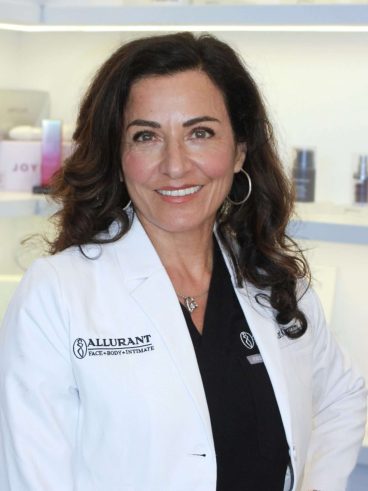
Dr. Kat
President/Medical Director
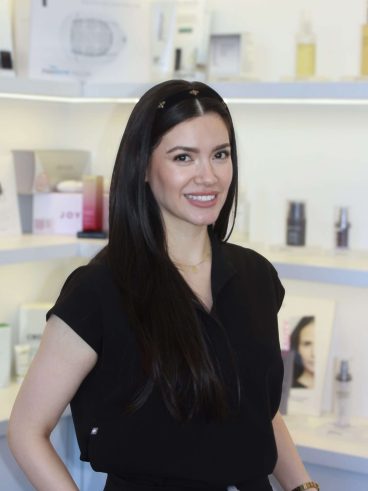
Kimberly
Registered Nurse

Gabriela
Registered Nurse
Benefits of Opus Plasma Skin Resurfacing at
Allurant Medical Spa
Opus Plasma offers more than improvement in a single skin concern. Its customizable approach can support overall skin quality while addressing texture, firmness, and visible signs of aging.
Smoother Skin Texture
Fractional resurfacing supports skin renewal to improve roughness and create a smoother, more refined appearance.
Firmer-Looking Skin
Radiofrequency energy supports collagen remodeling, which can gradually improve firmness and overall skin quality.
Improved Collagen Production
Controlled treatment stimulates the skin’s natural healing response, encouraging new collagen that supports continued improvement over time.
More Even-Looking Skin
Resurfacing can improve areas of uneven texture and overall skin quality for a fresher, more balanced appearance.
Progressive Skin Renewal
Improvements can continue as collagen remodeling develops, allowing skin quality to evolve beyond the initial healing period.

Opus Plasma for Skin Resurfacing & Renewal
Opus Plasma skin resurfacing can address concerns that affect the texture, clarity, and overall appearance of your skin. Treatment settings can be customized based on the concern, treatment area, and condition of your skin.
Acne scars can leave depressions, uneven texture, and visible changes long after active breakouts improve. Opus Plasma creates controlled treatment zones that support collagen remodeling. Over time, this process can soften certain acne scars and create smoother-looking skin.
Facial scars can create uneven texture or visible differences between scar tissue and the surrounding skin. Controlled resurfacing encourages natural skin remodeling in targeted areas. Treatment depth and intensity can also be adjusted based on the scar and surrounding tissue.
Dead surface cells, sun exposure, and changes in skin renewal can contribute to a dull or tired appearance. Opus Plasma resurfaces targeted skin while supporting natural renewal. As healing progresses, the complexion can appear smoother, fresher, and more refined.
Uneven tone can develop from sun exposure, aging, inflammation, and other changes within the skin. Opus Plasma can improve overall skin quality through controlled resurfacing. However, your provider may recommend another treatment for specific pigmentation or vascular concerns.
Roughness, enlarged pores, and uneven texture can make skin appear less smooth and refined. Opus Plasma resurfaces controlled areas while supporting collagen remodeling beneath the surface. This process can gradually create smoother and more even-looking skin.

Opus Plasma for Skin Aging & Rejuvenation
Opus Plasma can also address several changes associated with skin aging. Fractional resurfacing and radiofrequency energy support collagen remodeling while improving texture and firmness. Therefore, treatment can target several age-related concerns within the same personalized plan.
Fine lines often become more noticeable as collagen production declines with age. Opus Plasma supports collagen remodeling, which can gradually soften fine lines and improve skin texture.
Wrinkles can deepen as skin loses collagen, elasticity, and firmness over time. Opus Plasma combines controlled resurfacing with thermal energy to support smoother, firmer-looking skin.
Skin can become less firm as collagen and elastin naturally decline. Opus Plasma supports the skin’s remodeling response, which can improve mild laxity and firmness over time.
Jowls can develop as skin along the lower face loses firmness and elasticity. Opus Plasma can improve mild laxity, while advanced jowling may require combination treatments.
Persistent redness can result from visible vessels, inflammation, rosacea, and other skin changes. Opus Plasma may improve overall skin quality, although redness-focused treatments may provide more targeted results.
What to Expect From Opus Plasma Treatment
01
Your Consultation
Your consultation begins with an evaluation of your skin, treatment areas, and primary concerns. Your provider will also discuss what you hope to improve and your previous skin treatments.
Next, your provider will determine whether Opus Plasma is appropriate for your skin and goals. Treatment intensity can then be customized based on the areas being treated and the level of resurfacing needed.
You will also discuss the recommended number of sessions, expected results, and recovery before moving forward. This helps establish realistic expectations and creates a treatment plan tailored specifically to your skin.
02
During Your Opus Plasma Treatment
Before treatment, your provider will cleanse and prepare the targeted areas. A topical numbing agent may also be used to make the treatment more comfortable.
During treatment, the Opus Plasma handpiece delivers controlled fractional plasma energy across the skin. These controlled treatment zones support resurfacing while thermal energy reaches targeted tissue beneath the surface.
Your provider can adjust the intensity and depth throughout the treatment based on the area and your goals. For example, delicate areas may require different settings than areas receiving deeper resurfacing.
03
Aftercare and Recovery
After Opus Plasma, redness, warmth, sensitivity, or mild swelling can occur as the skin begins healing. The intensity and duration of these effects can vary based on your treatment settings.
During recovery, your provider will give you specific instructions for cleansing, moisturizing, and protecting the treated skin. Sun protection is especially important while your skin heals and renews.
As recovery progresses, temporary redness and sensitivity should gradually improve. Meanwhile, deeper collagen remodeling continues beyond the initial healing period and supports progressive changes in skin quality.
Opus Plasma Results & Healing Timeline
Opus Plasma results develop in stages as your skin recovers and the natural remodeling process continues. Some changes may appear relatively early, while collagen-related improvements can develop more gradually. Your timeline will depend on your treatment intensity, treatment area, skin condition, and recommended number of sessions.
Initial Improvements
As the skin begins healing, you may notice smoother texture and a fresher, more refined appearance. These early changes can continue developing as collagen remodeling supports improvements in firmness and overall skin quality.
Healing & Recovery
Redness, sensitivity, mild swelling, dryness, or temporary roughness may occur following treatment. These effects gradually improve as your skin heals and renews. Recovery time can vary depending on the intensity of your Opus Plasma treatment.
Maintaining Your Results
Daily sun protection and a consistent skincare routine can help protect your skin and support long-term results. Your provider may also recommend maintenance treatments or complementary procedures based on your skin, concerns, and future goals.
Opus Plasma vs. Other Skin Resurfacing Treatments
Not every skin resurfacing treatment works the same way. Opus Plasma combines fractional plasma with radiofrequency energy, while other treatments may use lasers, microneedling, or radiofrequency technology.
Opus Plasma
- Technology: Fractional plasma + radiofrequency energy
- Treatment Depth: Adjustable based on your skin and treatment goals
- Best For: Texture, scars, fine lines, wrinkles, and mild skin laxity
- Collagen Support: Combines resurfacing with controlled thermal energy to support collagen remodeling
- Customization: Depth and intensity can be adjusted based on the treatment area
- Key Advantage: Combines fractional resurfacing and radiofrequency energy within one treatment
Other Skin Resurfacing Treatments
- Technology: May use lasers, microneedling, radiofrequency, or other resurfacing technologies
- Treatment Depth: Varies depending on the treatment selected
- Best For: Varies by treatment, including texture, pigmentation, scars, wrinkles, and laxity
- Collagen Support: Depends on the technology and how it interacts with the skin
- Customization: Varies based on the specific treatment or device
- Key Difference: Each technology offers different benefits based on the concern being treated

Are You a Good Candidate for Opus Plasma?
Opus Plasma may be appropriate if you want to improve skin texture, fine lines, scars, wrinkles, or mild skin laxity. It can also suit patients seeking resurfacing without traditional ablative laser treatment. Alma states that Opus can treat the full range of skin types. However, your provider should review your skin, medical history, concerns, and treatment goals before recommending treatment.
A consultation also helps determine the appropriate treatment intensity for your skin. Your provider can then customize the treatment depth, energy, and resurfacing approach based on your individual needs.
Risks and Considerations
Opus Plasma creates controlled micro-injuries and thermal effects within treated skin. Therefore, temporary redness, swelling, sensitivity, dryness, or discomfort can occur during healing. Recovery can also vary depending on the intensity of your treatment.
Not everyone is automatically a candidate for energy-based skin resurfacing. Your provider should review your medical history and potential contraindications before treatment. This evaluation helps determine whether Opus Plasma is appropriate or whether another treatment may better suit your needs.
Treatments That Pair Well With Opus Plasma
Opus Plasma primarily improves skin texture, scars, fine lines, and firmness. However, facial aging can also involve muscle movement, volume loss, redness, and pigmentation. Combining treatments can address these different concerns while keeping each treatment focused on what it does best.
ADVA TX
ADVA TX targets redness, pigmentation, and vascular concerns using dual-wavelength laser technology. It can complement Opus Plasma when uneven tone or redness accompanies texture and aging concerns.
Botox
Botox addresses dynamic wrinkles caused by repeated facial muscle movement. Opus Plasma addresses skin quality and resurfacing, so the treatments can target different contributors to visible aging.
PRF Treatments
PRF Treatments support natural collagen production and skin rejuvenation. This regenerative approach can complement the resurfacing and collagen remodeling provided by Opus Plasma.
Sculptra
Sculptra is a collagen biostimulator that helps restore facial volume gradually. Pairing it with Opus Plasma can address structural volume changes alongside skin texture and firmness concerns.
Why Choose Allurant Medical Spa for
Opus Plasma?
Choosing where to receive Opus Plasma matters because treatment settings and techniques can influence your experience. At Allurant, we combine Opus technology with individualized treatment planning based on your skin, concerns, and goals.
Precision for Delicate Areas
Opus Plasma allows focused treatment across delicate facial areas where greater precision matters. Adjustable settings help your provider tailor treatment to the area and skin being treated.
From Light to Intensive Resurfacing
Opus Plasma can provide different levels of resurfacing based on your skin and goals. Therefore, treatment intensity can range from lighter renewal to more intensive resurfacing when appropriate.
Designed for All Skin Types
Opus Plasma is designed for all skin types, including delicate or age-thinned skin. Your provider can adjust treatment parameters based on your individual skin characteristics.
Full-Face or Focused Treatment
Opus Plasma can address broader facial concerns or focus treatment on specific areas. This flexibility allows your provider to build treatment around where your skin needs improvement most.
Combination Treatment Expertise
Some concerns benefit from more than one treatment approach. Allurant offers multiple skin technologies, allowing your provider to incorporate Opus into a broader treatment plan when appropriate.
Personalized Skin Assessments
Your provider evaluates your skin, concerns, treatment areas, and goals before recommending Opus Plasma. From there, treatment settings and recommendations can reflect what your skin actually needs.
Frequently Asked Questions About Opus Plasma Skin Resurfacing
How many Opus Plasma treatments will I need?
Many patients benefit from a series of Opus Plasma treatments, although individual needs vary. Your provider will recommend a treatment plan based on your skin concerns, desired results, and treatment intensity.
How long do Opus Plasma results last?
Opus Plasma results can be long-lasting as collagen remodeling continues after treatment. However, natural aging and sun exposure continue, so maintenance treatments and consistent skincare may help support your results.
How much does Opus Plasma cost?
Opus Plasma cost varies based on the treatment area, intensity, and number of sessions recommended. During your consultation, we will create a personalized treatment plan and review the associated cost.
Is Opus Plasma painful?
A topical numbing agent may be applied before treatment to improve comfort. Sensations vary by treatment intensity and area, but your provider can adjust settings based on your personalized treatment plan.
When will I see results after Opus Plasma?
Initial improvements may become noticeable as your skin heals following treatment. Results can continue developing over the following weeks as collagen remodeling supports improvements in texture, firmness, and overall skin quality.
Is Opus Plasma a laser treatment?
No. Opus Plasma is not a traditional laser treatment. It uses fractional plasma and radiofrequency energy to create controlled treatment zones while supporting resurfacing and collagen remodeling.
Can Opus Plasma be combined with other treatments?
Yes. Opus Plasma may complement other aesthetic treatments when appropriate. Your provider can recommend a combination treatment plan based on your skin concerns, goals, and treatment timing.
Opus Plasma Before and After Results in San Diego


Discover What Opus Plasma Can Do for Your Skin
Your skin concerns, goals, and treatment needs are unique. At Allurant Medical Spa, we personalize Opus Plasma treatments around your skin and the results you want to achieve.
Schedule your consultation today to discover whether Opus Plasma is right for you.
